
Principles: Expectations and Happiness
Antarctic Expedition
The year was 1914. In command of a party on the ship Endurance, Ernest Shackleton set off to cross the Antarctic from the Weddell Sea to the Ross Sea.
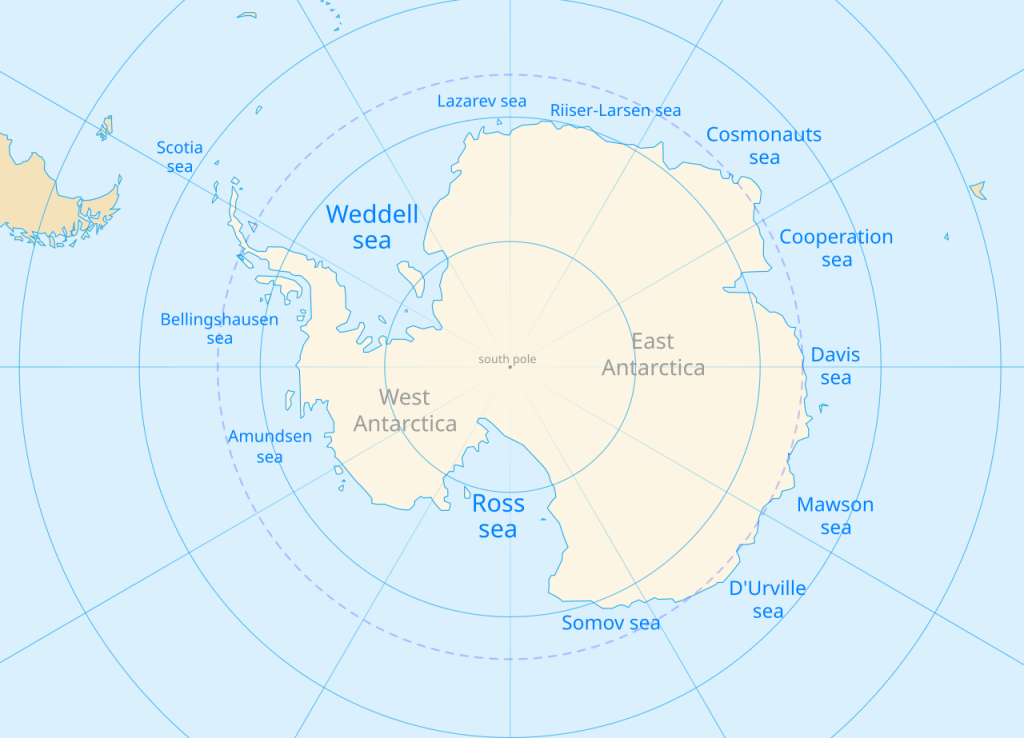
Shackleton and his men set sail in August 1914, just as World War 1 was starting in Europe. On 19 January 1915, Endurance became locked in the ice over the Weddell Sea. Over the course of the next 9 months, the ship was gradually destroyed, finally sinking on 27 October, forcing the entire crew into a harrowing struggle for survival.

Shackleton and his 28-man crew then spent 19 months, from January 1915 to August 1916, rowing 800 miles to safety in tiny lifeboats, with nighttime temperatures hitting 10 degrees below zero.
They were constantly frozen, soaked, hungry, and sleep deprived.
All of them did survive and finally made it to a whaling station on South Georgia island, 1,600 miles east of Argentina.
Alfred Lansing, in his book Endurance: Shackleton’s Incredible Voyage, writes:
Every comfort the whaling station could provide was placed at the disposal of Shackleton [and crew]. They first enjoyed the glorious luxury of a long bath, followed by a shave. Then new clothes were given to them from the station’s storehouse.
They were served a hot meal and slept for 12 hours.
Can you imagine how good it must have felt to have a bath, a hot meal, and a warm bed after being constantly frozen and starving for 19 months?
A weird thing in life is that everyone strives for a good life because they think it will make them happy. But what actually brings happiness is the contrast between what you have now and whatever you were just doing.
The best drink you will ever taste is a glass of tap water when you’re thirsty.
The best food you will ever eat is plain rice when you’re starving.
The best massage you will ever feel is sitting on a couch after a long run.
Money is like this, too.
The richest you probably felt was your first paycheck, and your bank account went from $50 to $5,000. The contrast that generates might be greater than going from $10 million to $20 million. Going from nothing to something is so much more powerful than going from rich to super rich.
The contrast, not the amount, is what makes us happy.
There are two lessons here.
First, happiness is a fleeting emotion because it’s triggered by a contrast in circumstances, but we will quickly adapt to those new circumstances.
But that shouldn’t be depressing. Instead of chasing happiness, which is fleeting, we should be going after contentment, which is similar but more enduring.
Second, we must realize how powerful expectations are. As much effort as we put into improving our lives, we should make an equal effort to keep our expectations low.
After all, it is the contrast between results and expectations that drive our level of satisfaction.
That’s another mental model to keep in our toolbox.